Gingivitis in Dogs: Causes, Symptoms, Prevention, and Treatment for Healthy Canine Teeth and Gums
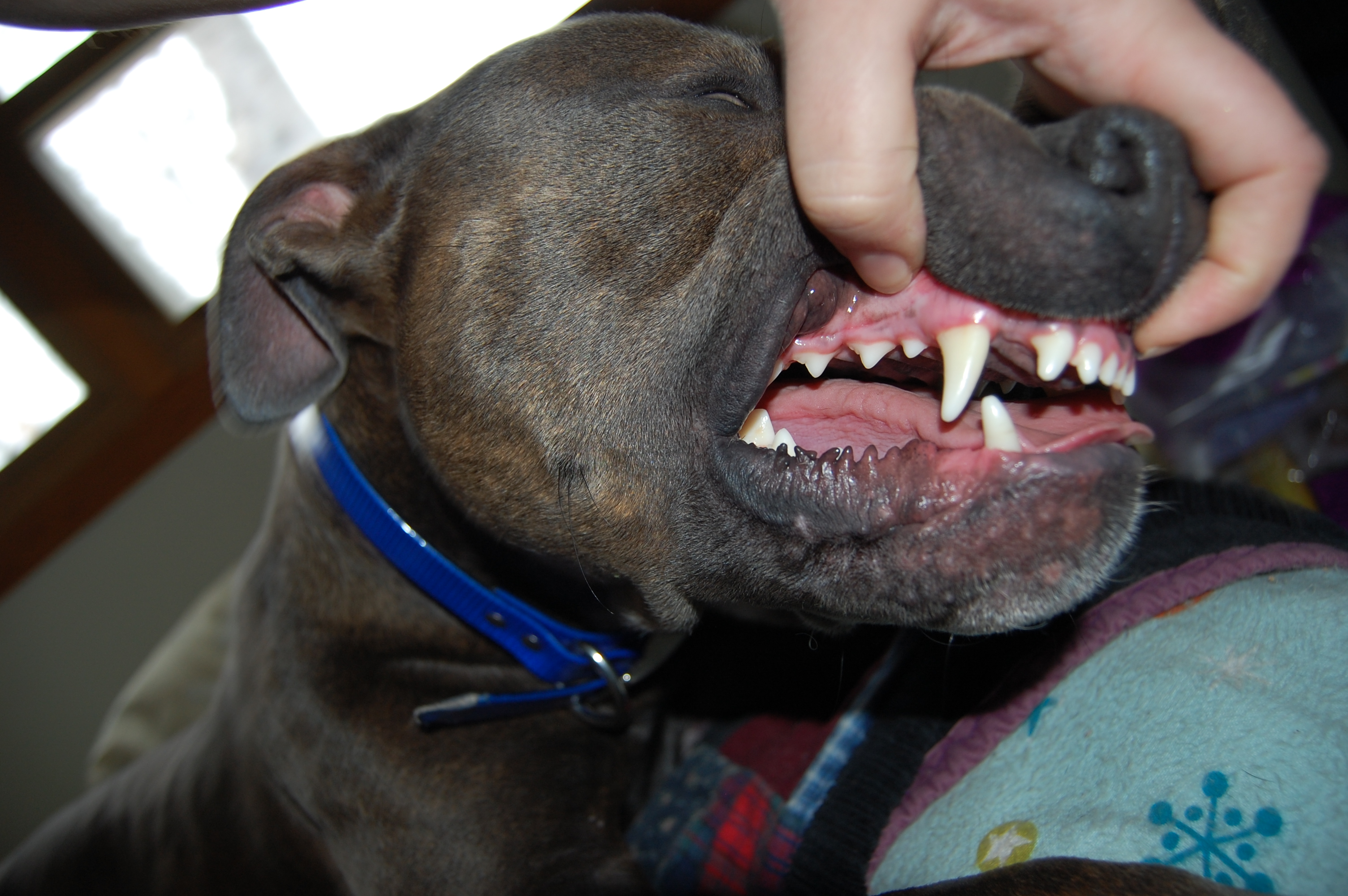
Gingivitis is a common dental disease in dogs that is caused by inflammation of the gums. This can lead to pain, discomfort, and even tooth loss if left untreated. Here's what you need to know about gingivitis in dogs:
Causes of Gingivitis in Dogs
Gingivitis in dogs is caused by a buildup of plaque and tartar on the teeth. This buildup can lead to irritation and inflammation of the gums, which is the initial stage of gingivitis. If left untreated, gingivitis can progress to periodontal disease, a more serious condition that can cause irreversible damage to the teeth and gums.
Symptoms of Gingivitis in Dogs
Some common symptoms of gingivitis in dogs include:Red, swollen, or bleeding gumsBad breath
Difficulty eating or chewing
Loose or missing teeth
Pawing at the mouth or face
Changes in behavior or appetite.
Diagnosis and Treatment of Gingivitis in Dogs
If you suspect your dog may have gingivitis, it's important to take them to a veterinarian for a dental exam. During the exam, the vet will check for signs of gum inflammation and may take x-rays to assess the extent of the damage.
Treatment of Gingivitis
Treatment for gingivitis in dogs usually involves a thorough dental cleaning under anesthesia to remove the buildup of plaque and tartar. If the gums are severely inflamed, the vet may also prescribe antibiotics or pain medication to manage discomfort and prevent infection.Prevention of Gingivitis in Dogs
Prevention is key when it comes to gingivitis in dogs. Regular dental care, including daily tooth brushing, can help prevent the buildup of plaque and tartar. Additionally, providing your dog with dental chews or toys and feeding a balanced diet can also contribute to good oral hygiene.
In conclusion, gingivitis in dogs is a common dental disease that can lead to pain, discomfort, and tooth loss if left untreated. It's important to take your dog for regular dental check-ups and to practice good dental hygiene at home to prevent the buildup of plaque and tartar. If you suspect your dog may have gingivitis, don't hesitate to seek veterinary care.
0 comments:
Post a Comment